Highlights: Malaysia’s New Hiring Platform to Safeguard Foreign Workers and Cut Recruitment Cost
- Malaysia plans to launch a new digital hiring platform to recruit foreign workers directly, without intermediaries.
- Foreign professionals are currently required to pay a recruitment fee of US$5,000–US$8,000 (₹4–6.5 lakh approx.) in Malaysia.
- Unregulated recruitment procedures have led to high relocation costs and a lack of transparent immigration.
- The new recruitment platform will include features such as direct virtual interviews with employers and AI-powered real-time translation, eliminating the language barrier.
- The latest move to launch a direct-hiring platform reflects the country's intention to become an ASEAN ethical recruitment hub by 2028.
*Want to apply for a Malaysia work permit? Let Y-Axis guide you with the steps.
New Hiring System in Malaysia to Reform the Recruitment Process for Overseas Workers
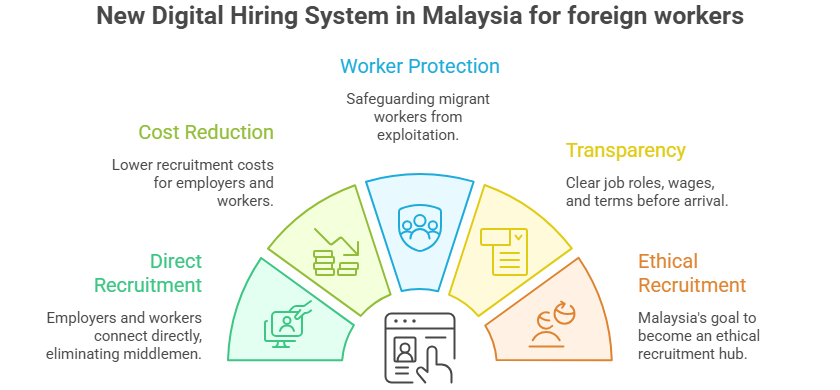
Malaysia is all set to launch a new hiring platform for foreign workers that offers direct recruitment, eliminating the need for mediators. The country’s decision to create the direct hiring system is a strategic move to reduce recruitment costs and safeguard foreign workers from exploitation. The latest initiative is to restructure the pathway for hiring foreign workers, especially from countries such as India, Bangladesh, and Nepal.
The transparent digital platform will allow employers to directly connect with job seekers through virtual meetings that are end-to-end translated, removing language barriers. Upon Cabinet approval, the hiring platform is scheduled to go live in 2026, aligning with Malaysia’s goal to become an ASEAN ethical recruitment hub by 2028.
Also, read…
What are the Malaysia Work Visa requirements?
What is Influencing Malaysia’s Decision to Launch a Direct Hiring System for Foreign Workers?
Malaysia is reconsidering the structure of its hiring process for foreign workers amid concerns about high recruitment costs, job mismatches, and worker exploitation. According to Human Resources Minister Datuk Seri Ramanan Ramakrishnan, Malaysia has a high reliance on the foreign workforce but faces a significant lack of transparency in its recruitment process.
To address these long-standing issues, the Malaysian government has decided to develop a direct employer-employee interaction platform to reduce reliance on third parties.
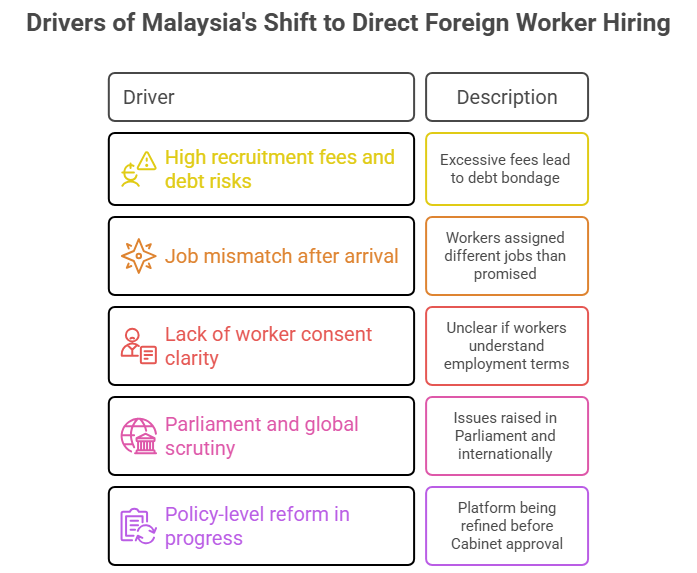
The reasons affecting Malaysia’s decision to launch a direct hiring platform are as follows:
- Reduction of high upfront recruitment fee to minimise debt bondage on workers.
- Minimise job misalignment for foreign workers who are promised a particular role but are offered a different job upon arrival.
- Provide clear employment agreement terms to workers before they join.
- Promote stringent evaluation by the parliament and international labour authorities.
- The latest structure of the direct hiring platform is under consideration and will be assessed by the Home Ministry, key stakeholders, and labour-source countries before Cabinet approval.
Also, read…
Highest paying Jobs in Malaysia
How will Malaysia’s New Direct Hiring Platform Affect the Recruitment of Indians?
Malaysia’s new hiring system aims to ensure that job offers, wages, and working conditions are discussed directly between employers and foreign workers, using technology rather than third-party agents.
Here is how the platform will operate:
- Direct matching of job roles with salary requirements between the Malaysian companies and foreign employees.
- Virtual interviews are a way to communicate without being physically present in the country.
- AI-powered real-time translation to remove the language barrier between the Malaysian employer and foreign workers.
- Reduced dependency on third-party agents, enhancing transparent recruitment initiatives.
- Clear discussion about job roles, salary expectations, and work agreement.
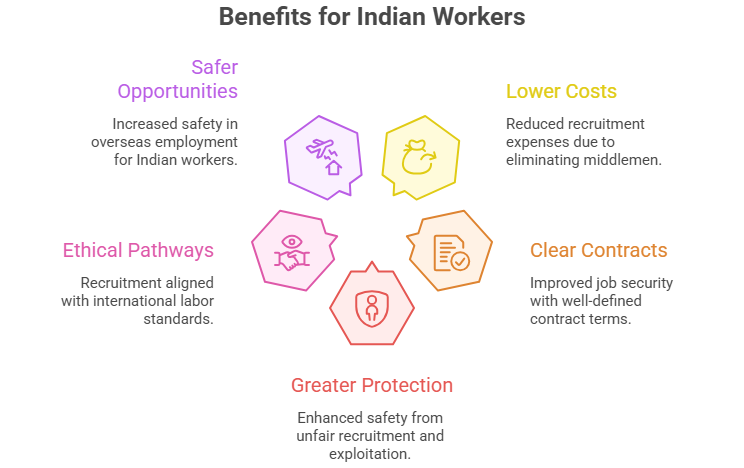
How will Indian workers benefit from Malaysia’s direct recruitment initiatives?
- Lower recruitment costs and financial burden of international immigration.
- Reduced risk of job role change upon arrival.
- Protection against unfair recruitment practices.
- An ethical recruitment pathway outlining clear job contracts.
- Safer overseas work opportunities for Indian professionals interested in migrating to Malaysia.
*Are you looking for step-by-step assistance with overseas immigration? Contact Y-Axis, the world’s No. 1 immigration consultancy!
For recent immigration updates, check out the Y-Axis News Page!
FAQs
What is Malaysia’s new direct hiring platform for foreign workers?
Malaysia’s proposed direct hiring platform is a government-led digital system that allows employers to recruit foreign workers without relying on third-party agents. The platform enables direct communication between employers and workers, ensuring transparency in job roles, wages, and employment conditions. It aims to reduce recruitment costs, prevent worker exploitation, and eliminate unethical practices linked to middlemen. The system is currently being finalised and will be presented to the Cabinet for approval before launch.
Why is Malaysia introducing a direct hiring system for foreign workers?
Malaysia is introducing this system to address issues such as excessive recruitment fees, debt bondage, job mismatches, and exploitation of migrant workers. According to the Human Resources Ministry, reliance on labour agents has made it difficult to ensure workers fully understand and consent to employment terms. The new platform improves transparency, protects workers, and aligns recruitment practices with international labour standards.
How will the new platform reduce recruitment costs for foreign workers?
The platform eliminates intermediaries who often charge high recruitment fees. Reports show that foreign workers currently pay between US$5,000 and US$8,000 before arriving in Malaysia. By enabling direct employer–worker connections, unnecessary fees are removed, reducing financial burden. This approach aligns with ILO guidelines, which state that recruitment fees should not exceed one month’s wages.
Will Indian workers benefit from Malaysia’s new hiring platform?
Yes. Indian workers are expected to benefit through lower recruitment costs, clearer job contracts, and reduced risk of job mismatches after arrival. Direct hiring supports ethical recruitment, providing safer, more transparent, and affordable access to overseas employment opportunities in Malaysia.
What role will technology play in Malaysia’s direct hiring platform?
Technology will play a central role. The platform will support virtual interviews, reducing the need for physical travel during recruitment. Artificial intelligence (AI) will be used for real-time translation, allowing employers to communicate in Bahasa Malaysia while workers receive translations in their native languages, improving clarity and understanding of job terms.
When is Malaysia expected to launch the direct hiring platform?
The Malaysian government has indicated that the platform is expected to be ready later this year, subject to Cabinet approval. Consultations will be held with the Home Ministry, stakeholders, and labour-source countries before launch. The rollout will be phased to ensure system sustainability and compliance with international standards.
How does this initiative support ethical recruitment practices?
The initiative promotes ethical recruitment by removing middlemen, ensuring informed worker consent, and reducing exploitative practices such as excessive fees and debt bondage. Malaysia aims to become an ASEAN ethical recruitment hub by 2028, and this platform is a major step toward that goal.
Will recruitment agents be completely removed under the new system?
While the system aims to reduce dependence on recruitment agents, their complete removal will depend on final policy decisions. The focus is on direct employer–worker communication and transparency. Any remaining intermediaries are expected to operate under stricter oversight and ethical guidelines.
What protections will foreign workers have under the new platform?
Foreign workers will receive clearer job terms, verified employer details, transparent recruitment processes, and reduced financial exploitation. Direct communication ensures workers fully understand their roles, wages, and conditions before travel. Authorities can also better track recruitment activities, improving accountability.
How does Malaysia’s plan impact overseas job seekers in Asia?
Malaysia’s move reflects a broader shift in Asia toward ethical, technology-driven labour recruitment. For job seekers from India, Bangladesh, Nepal, and other countries, it sets a positive precedent for safer migration pathways. If successful, the model could inspire similar reforms across the region.